Can a Roofer Pay My Deductible in Texas?
May 29
Recoverable depreciation is money your insurer holds back until you complete repairs. Most DFW homeowners don't know it exists. Here's how to collect it.
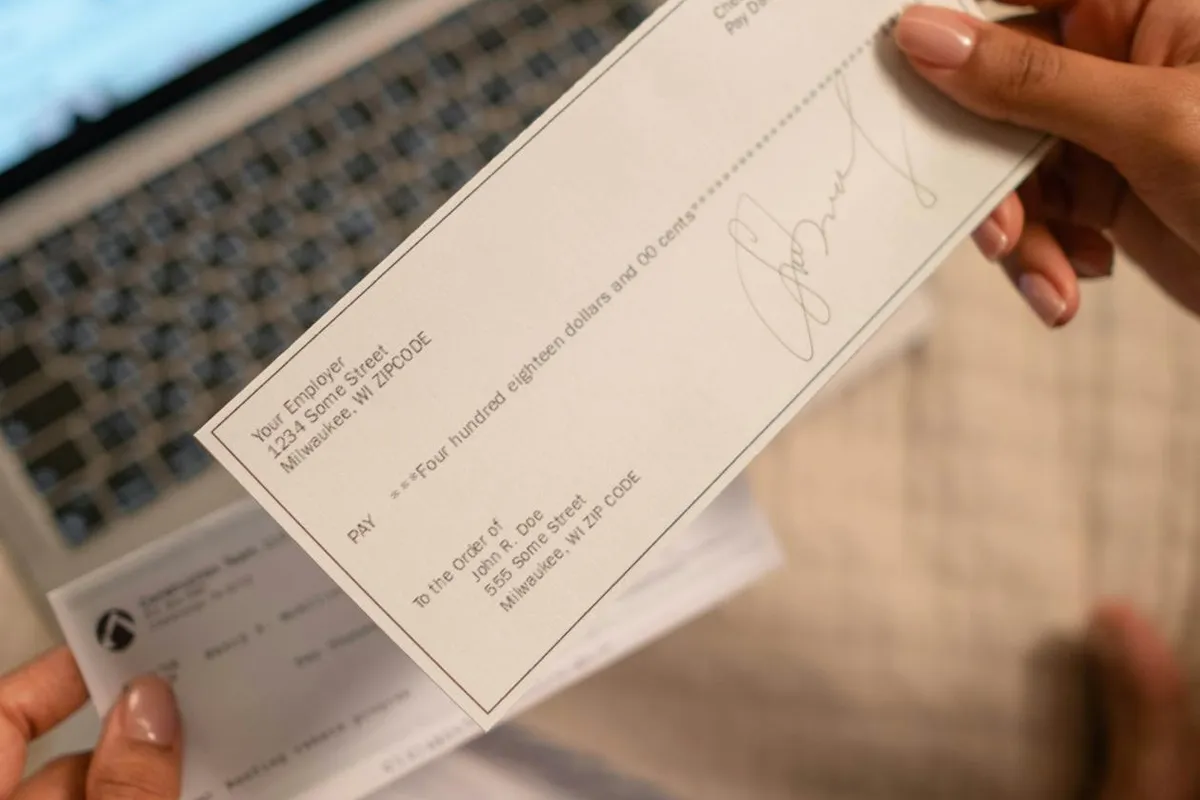
You filed a roof damage claim. The adjuster came out. The insurance company approved the claim and sent you a check.
But the check seems low. Way lower than the total replacement cost on the estimate.
You’re not being shortchanged — at least not intentionally. Your insurance company is holding back money that you’re entitled to. It’s called recoverable depreciation, and it’s one of the least understood parts of the roof insurance process.
Thousands of DFW homeowners leave this money on the table every year simply because they don’t know it exists or how to collect it.
When you file a roof claim under a Replacement Cost Value (RCV) policy, the insurance company calculates two numbers:
Your first payment is the replacement cost minus depreciation minus your deductible. This initial payment equals the roof’s Actual Cash Value (ACV).
The depreciation amount is held back by the insurer. It’s not gone — it’s reserved. And it gets released to you after you prove the repairs have been completed.
This held-back amount is called recoverable depreciation.
Here’s what this looks like on a typical McKinney home:
| Line Item | Amount |
|---|---|
| Replacement cost (new roof) | $16,000 |
| Depreciation (12-year-old roof) | -$5,500 |
| Deductible (2% of $300K home) | -$6,000 |
| First check (ACV payment) | $4,500 |
You receive $4,500 up front. Your roofer quotes $16,000 for the job. That’s a $11,500 gap.
But $5,500 of that gap is recoverable. After the work is done:
| Line Item | Amount |
|---|---|
| First check | $4,500 |
| Recoverable depreciation (released after completion) | +$5,500 |
| Total insurance payment | $10,000 |
| Your actual out-of-pocket | $6,000 (your deductible) |
Without collecting recoverable depreciation, you’d pay $11,500 out of pocket instead of $6,000. That’s a $5,500 mistake.
The insurance company requires proof that the work was actually done before releasing the held-back funds. This is a reasonable requirement — they want to ensure the money is used for its intended purpose.
The work must be completed within the policy’s timeframe. Most Texas policies require completion within 180 days to 1 year of the claim settlement. Check your policy for the exact window.
Once the roof is installed, send your insurance company:
Contact your insurance company — by phone and in writing — and formally request the release of recoverable depreciation. Reference:
The insurer reviews your documentation and, if everything checks out, releases the depreciation amount. This typically takes 10-30 business days.
Keep in mind: The depreciation release is based on the amount listed on the insurance estimate, not your contractor’s invoice. If your contractor charged $16,000 but the insurance estimate listed $14,500 in replacement cost, you’ll receive depreciation based on $14,500. (The $1,500 gap may be covered through a supplemental claim.)
This is the biggest one. Many homeowners receive their first check, see a number that doesn’t cover the full roof, and either:
Your policy specifies how long you have to complete repairs and submit documentation. If you miss this window, the depreciation becomes non-recoverable — you lose it permanently.
The deadline varies by carrier but is typically:
If the insurance estimate covers a full roof replacement but you only repair a section, the insurer may release only a proportional share of the depreciation — or deny the release entirely.
If your contractor doesn’t provide detailed invoices, completion photos, and warranty documentation, the insurer can delay or deny the depreciation release. Work with a contractor who understands the insurance process and provides proper documentation.
Some adjusters present the ACV check as if it’s the final payment. It’s not. If you have an RCV policy, the depreciation is owed to you once repairs are complete. Don’t accept “that’s all we can pay” without verifying your policy type.
If your policy covers your roof at Actual Cash Value — not Replacement Cost — there is no recoverable depreciation. The depreciated amount is a permanent deduction.
This is why the ACV vs. RCV distinction matters so much. On an ACV policy, the check you receive is the check you get. There’s no second payment coming.
How to check: Look at your declarations page or call your agent. Ask specifically: “Is my roof covered at Replacement Cost Value or Actual Cash Value?”
If you’re on ACV and your roof is less than 10 years old, it’s worth asking your agent about switching to RCV before the next storm season.
A contractor who understands the insurance process will:
At Good Work Roofing, we walk every client through the insurance payment process step by step. We handle the documentation, work directly with adjusters on supplements, and make sure you collect every dollar your policy entitles you to.
| Step | When | What Happens |
|---|---|---|
| 1. File claim | After storm/inspection | Claim is opened |
| 2. Adjuster visit | 7-14 days after filing | Damage is documented |
| 3. First check (ACV) | 5-15 days after inspection | You receive replacement cost minus depreciation minus deductible |
| 4. Roof replacement | Within policy deadline | Contractor completes the work |
| 5. Submit completion docs | Immediately after work is done | Invoice, photos, payment proof sent to insurer |
| 6. Second check (depreciation) | 10-30 days after submission | Insurer releases held-back depreciation |
Need help navigating a roof insurance claim? Good Work Roofing has helped hundreds of McKinney and DFW homeowners collect their full insurance payout — including recoverable depreciation. We handle the paperwork, attend adjuster meetings, and fight for every dollar you’re owed.
Schedule your free inspection or call (214) 836-4511.
Get roofing tips delivered to your inbox
Contact our roofing experts for a free consultation and quote.