Energy-Efficient Roofing in Texas: Cool Roofs, Color, Ventilation, and Materials
May 29
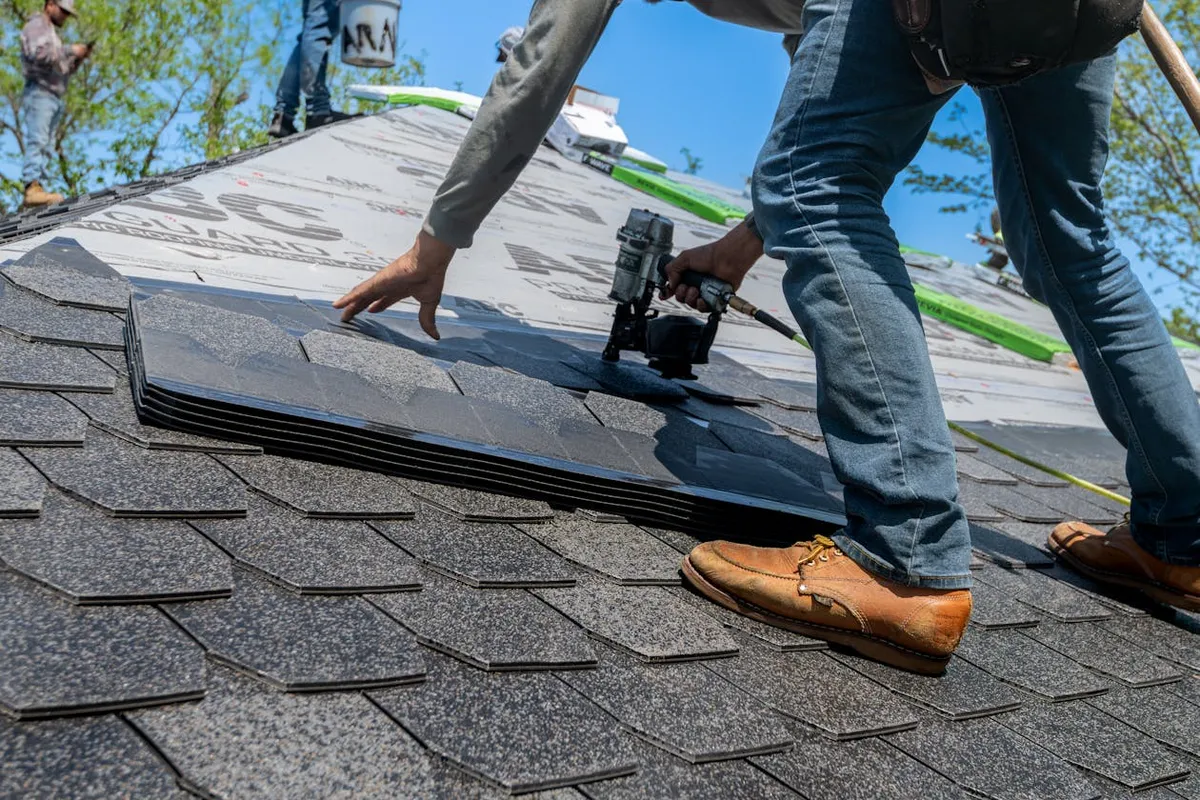
Impact-resistant Class 4 shingles aren't just tougher — they save DFW homeowners hundreds per year on insurance. Here's how the math works.

Every year, DFW homeowners pay thousands in insurance premiums partly because Texas is one of the most hail-prone regions in the country. McKinney, Plano, and Frisco sit directly in what meteorologists call “Hail Alley.”
There’s one roofing upgrade that directly attacks this cost: Class 4 impact-resistant shingles.
These shingles are engineered to withstand hail that would destroy standard shingles. And Texas insurance carriers reward homeowners who install them with premium discounts of 10% to 28% — savings that add up to thousands of dollars over the life of the roof.
Here’s how Class 4 shingles work, what they cost, and whether the math makes sense for your home.
The classification comes from UL 2218, a standardized test conducted by Underwriters Laboratories. The test simulates hail impacts by dropping steel balls onto shingles from specific heights:
| Class | Steel Ball Size | Drop Height | Simulates Hail Size |
|---|---|---|---|
| Class 1 | 1.25 inches | 12 feet | ~1 inch hail |
| Class 2 | 1.50 inches | 15 feet | ~1.25 inch hail |
| Class 3 | 1.75 inches | 17 feet | ~1.5 inch hail |
| Class 4 | 2.00 inches | 20 feet | ~1.75 inch hail |
To pass Class 4, a shingle must be struck twice in the same spot by a 2-inch steel ball dropped from 20 feet — and show no cracking, tearing, or fracturing of the mat underneath.
Standard architectural shingles fail this test. Class 4 shingles are engineered with one or more of these reinforcements:
Texas was one of the first states to mandate insurance discounts for impact-resistant roofing. Texas Insurance Code Chapter 547 and related TDI guidelines require carriers to offer premium reductions for UL 2218-rated roofing.
Actual discounts vary by carrier, but here’s what DFW homeowners typically see:
| Insurance Carrier Type | Typical Class 4 Discount |
|---|---|
| Major national carriers | 10-15% |
| Texas regional carriers | 15-22% |
| Specialty/wind-hail carriers | 20-28% |
On a typical McKinney home valued at $350,000:
| Without Class 4 | With Class 4 | |
|---|---|---|
| Annual premium | $3,200 | $2,400 – $2,750 |
| Annual savings | — | $450 – $800/year |
| 10-year savings | — | $4,500 – $8,000 |
| 20-year savings | — | $9,000 – $16,000 |
Over the life of the roof, the insurance savings can exceed the cost premium of choosing Class 4 over standard shingles.
On a typical 25-square DFW roof:
| Shingle Type | Material Cost | Installed Cost | Difference vs. Standard |
|---|---|---|---|
| Standard Architectural (Class 1-2) | $4,500 – $6,000 | $10,000 – $13,000 | — |
| Class 4 Impact-Resistant | $6,500 – $9,000 | $12,500 – $17,000 | +$2,500 – $4,000 |
The upgrade premium is $2,500-$4,000 — roughly the same as 3-5 years of insurance savings. After that, the savings are pure money in your pocket.
| Upgrade Cost | Annual Insurance Savings | Payback Period |
|---|---|---|
| $2,500 | $450/year | 5.5 years |
| $3,000 | $600/year | 5 years |
| $4,000 | $800/year | 5 years |
In nearly every scenario, Class 4 shingles pay for themselves within 4-6 years through insurance savings alone. Everything after that is net savings.
And that calculation doesn’t include the avoided costs of:
Nothing is hailproof. But Class 4 shingles dramatically raise the threshold at which damage occurs:
DFW’s most common hail events produce stones between 1 and 2 inches. Class 4 shingles handle this range without damage — meaning fewer claims, lower premiums, and longer intervals between replacements.
For the extreme events (the June 2025 storm dropped 3-inch hail), even Class 4 shingles can sustain damage. But the damage is typically less severe — and the claim process is simpler because you’ve already demonstrated responsible maintenance by choosing impact-resistant materials.
These are the most commonly installed Class 4 shingles in the McKinney and DFW market:
GAF Timberline HDZ
Owens Corning Duration FLEX
CertainTeed Landmark IR
TAMKO Heritage IR
All of these products come in colors and styles that match the architectural standards of McKinney, Plano, Frisco, and Allen neighborhoods — including HOA-compliant options.
In recent years, several Texas carriers have moved beyond offering discounts — they now require Class 4 shingles as a condition of writing or renewing a policy:
This trend is accelerating. If you’re replacing your roof for any reason — storm damage, age, or elective upgrade — installing Class 4 shingles now positions you for the best insurance rates and the most carrier options for years to come.
Before choosing shingles, call your insurance agent and ask:
For DFW homeowners replacing a roof — whether through insurance or out-of-pocket — Class 4 impact-resistant shingles are the single best upgrade you can make.
The math is clear: the upgrade costs $2,500-$4,000 and saves $450-$800 per year on insurance. It pays for itself in under 6 years and keeps paying for the remaining 15-25 years of the roof’s life.
Beyond the math, you get:
Good Work Roofing installs all major Class 4 shingle brands and handles the documentation your insurance company needs to apply the discount.
Ready to upgrade to Class 4? We’ll show you the options, calculate your insurance savings, and give you a free estimate. Serving McKinney, Plano, Frisco, Allen, and the entire DFW metroplex.
Get your free estimate or call (214) 836-4511.
Get roofing tips delivered to your inbox
Contact our roofing experts for a free consultation and quote.